
Natural texture at the window
Bamboo blinds and woven wood blinds made to measure
Bamboo blinds bring something that a printed fabric cannot: the irregular texture of a natural material. Each weave has slight variations in colour and thickness, so the blind reads as warm and relaxed whether it hangs in a garden room, a cottage kitchen or a calm, pared-back bedroom.
Woven wood blinds are made from bamboo, reeds, grasses or fine wood strips, and they are usually made up as roller or Roman styles. The choice between them, and between an open or a close weave, changes how much light, privacy and warmth the window gives you. We bring samples to a free home consultation so you can see them in your own light.
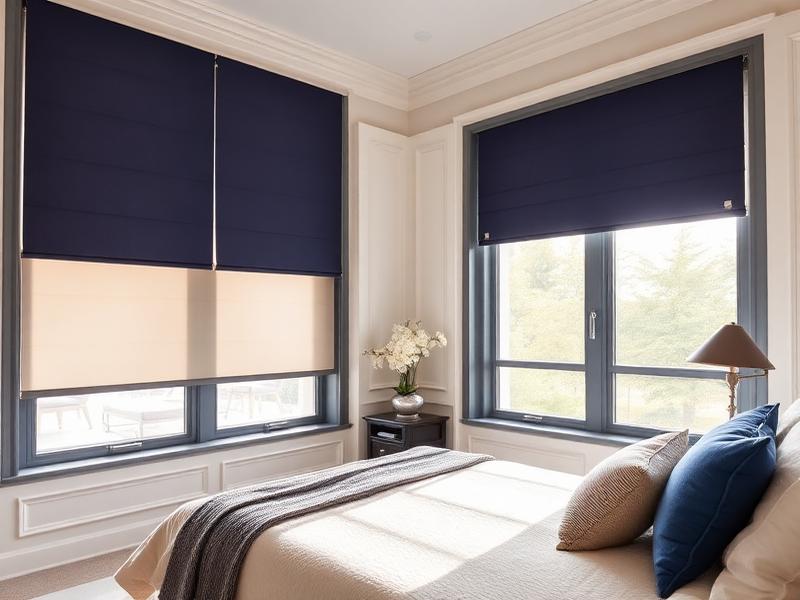
Roller or Roman: two ways to hang a natural weave
A bamboo roller blind wraps neatly around a tube at the top of the window and suits thinner, more flexible weaves. It keeps a clean line when raised and works well inside a window recess or on a run of matching windows.
A woven Roman blind folds into soft, generous pleats as it rises. Thicker weaves look particularly good made up this way, and the folds give a fuller, more tailored finish above the window. Where a roller would show a tight roll, a Roman stack shows the material itself.
Open weave, close weave and linings
The gaps in a natural weave let light through, which is part of the appeal. An open weave gives filtered daylight and a glimpse of the outside; a close weave gives more screening. In the evening, with lights on indoors, an unlined weave can show movement from outside.
Where privacy or darkness matters, a privacy or blackout lining can be added behind the weave. The lining changes how the blind looks from the street and how it folds, so it is worth seeing a lined and an unlined sample side by side before deciding.
Which rooms suit bamboo blinds
Living rooms, dining rooms, studies and garden rooms suit woven wood well, especially where you want filtered light rather than a solid block of colour. They sit comfortably alongside timber floors, rattan furniture and plain walls.
Rooms with heavy steam need more thought. Natural materials can react to constant moisture, so for a busy shower room a moisture-tolerant fabric or a faux wood blind may be the more practical choice. In a kitchen, consider how close the blind sits to the hob and the sink.
- Filtered light and texture: unlined open weave
- Daytime screening: closer weave or privacy lining
- Bedrooms: blackout lining behind the weave
- Steamy rooms: compare faux wood or moisture-tolerant fabrics
Looking after a woven blind
Regular light dusting with a soft brush or a vacuum on a low setting keeps the weave clean. Avoid soaking natural materials; a slightly damp cloth on a small mark is usually enough. Follow any care guidance supplied with the chosen weave.
Natural materials can mellow in strong sunlight over time, which many people like as part of their character. On a very sunny window, a lining helps protect the weave as well as the room behind it.
Measured, made and fitted
At the free home consultation we measure each window, bring a range of weaves and linings, and talk through roller or Roman styles for each room. You receive a written no-obligation quote. Blinds usually arrive within 2 to 3 weeks of ordering.
Our own team fits the finished blinds and checks that each one raises, lowers and stacks evenly. If you are weighing a natural weave against other materials, the related pages below compare Roman, roller and wooden options.
Natural texture at the window - your questions
Related reading
Discover more of our made-to-measure window dressing services across East Kent.