
Room guide
Getting a conservatory pleated blind right, roof and all
A conservatory in full sun on a bright East Kent afternoon can climb to uncomfortable temperatures within an hour, and the roof glazing is almost always the cause rather than the side panels. Pleated blinds were developed specifically for this problem, because their honeycomb or single-pleat construction can be fitted to an angled roof panel without sagging, which a roller or Roman blind simply cannot do.
This guide covers the fabric choice, how the roof and side panels work together, and the top-down bottom-up control that lets you keep a view out while still blocking direct glare overhead.
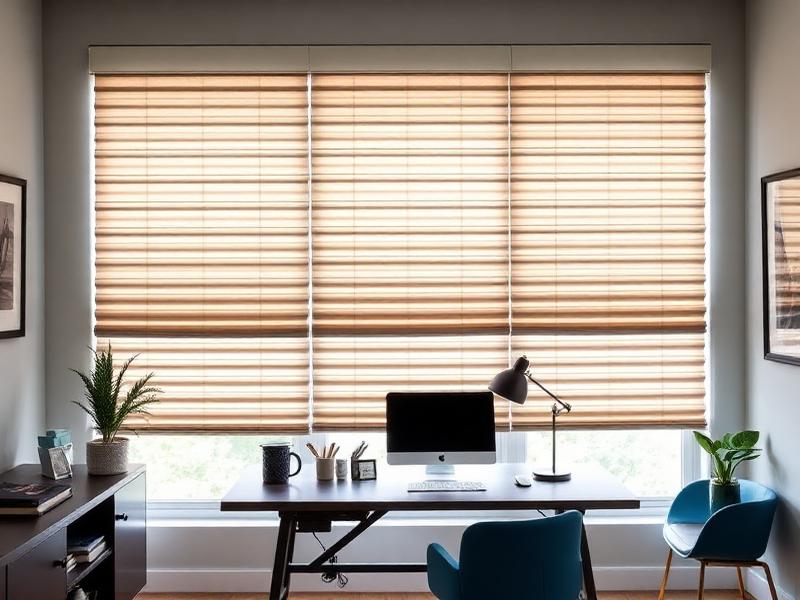
Why the roof panel is the one that matters most
Heat gain through an overhead pane is far more direct than through a vertical wall of glass, because the sun sits closer to overhead for more of the day in summer. Fitting blinds to the side windows only and leaving the roof bare solves almost none of the problem.
Pleated roof blinds run on a discreet cord and pulley or spring system that holds the fabric flat against the slope, tensioned at both ends so it does not billow or sag under its own weight over time.
Reflective and thermal fabrics
A reflective pleated fabric has a metallised backing that bounces a significant amount of solar heat back out through the glass before it reaches the room, which is the single biggest factor in keeping a summer conservatory usable during the day.
A thermal or thicker pleated fabric works the other way in winter, trapping warm room air against the glass overnight and reducing the chill that radiates off cold panes. Some households choose reflective fabric on the roof and a warmer thermal fabric on the side panels, since the two do slightly different jobs.
- Reflective fabric: best for west and south facing roofs that see direct afternoon sun.
- Thermal fabric: best for reducing overnight heat loss through side glazing in winter.
- Perforated or screen fabrics: useful where you want shade without losing the view entirely.
Top-down bottom-up control
On side panels, top-down bottom-up lets you lower the top of the blind for privacy or glare control while leaving the bottom raised for a clear view out at eye level, or the reverse for privacy from the garden with light still entering above.
It is one of the most requested features on conservatory side glazing because a conservatory usually faces a garden that people still want to see, even while shading the sun.
Roof shape and how it changes the fitting
A simple lean-to roof with regular panels is the most straightforward job. Hipped, gable-ended and Victorian style roofs have angled and sometimes triangular panels that each need measuring and fitting individually, which is standard work for us but not something an off-the-shelf blind can handle.
Where the roof includes a lantern section or steep pitch, we would look at that alongside our lantern roof blind guidance, since the fixing method changes again.
The pleated fabric itself also has to be matched to the frame profile of the glazing bars, since some conservatory roofs use fairly wide bars that need a wider tracking channel than a standard side window would take. This is measured at the visit, not guessed from a manufacturer's brochure.
Cleaning and everyday use
Pleated fabric is treated to resist dust build up and most marks wipe off with a dry or slightly damp cloth. Roof panels collect more dust than side panels simply through gravity, so an occasional check is worth it even though the fabric itself needs little attention.
Conservatory heat in practice
Even a well-specified pleated roof blind will not turn a conservatory into an all-weather room on its own. The realistic aim is to bring a conservatory that is unusable for several hours a day in summer back to a comfortable range, and to reduce the chill that makes it feel like an unheated corridor in winter. Households who combine a reflective roof blind with a small amount of ventilation, such as trickle vents or an opening roof panel, tend to be happiest with the result.
It is also worth being realistic about uPVC frame colour and heat. A dark grey or black frame absorbs more heat than a white one, and this can make the glazing bars themselves warm to the touch on a hot day, which is a small but real factor in how quickly the room heats up regardless of the blind fitted.
uPVC conservatory frames also vary in bar profile width, and a wider glazing bar, common on older Victorian and Edwardian style conservatories, needs a wider gliding channel for the pleated fabric edge than a slimmer modern lean-to profile. This is one of the reasons a generic online pleated kit rarely fits a real conservatory roof cleanly, whereas a measured and fitted system accounts for the actual bar width panel by panel.
The short version
Treat the roof as the priority panel and the side windows as the finishing touch, and a pleated system will do most of the heavy lifting long before the hottest weeks of summer arrive.
Room guide - your questions
Related reading
Discover more of our made-to-measure window dressing services across East Kent.