
Pleated blinds
Pleated blinds for windows, doors and roofs
Pleated blinds are made from fabric folded into crisp, narrow pleats that stack into a very small space when raised. They sit close to the glass, which makes them the go-to blind for awkward windows, glazed doors and conservatory roofs.
We make them to measure and fit them with our own team, after a free home visit where we measure every pane.
Pleated blinds by room and window
Why the pleat matters
Because the fabric folds tightly, a raised pleated blind takes up only a few centimetres at the top of the window. That keeps the view and the light when the blind is up, and it means the blind can fit inside shallow frames and on doors where a roller tube or Roman stack would get in the way.
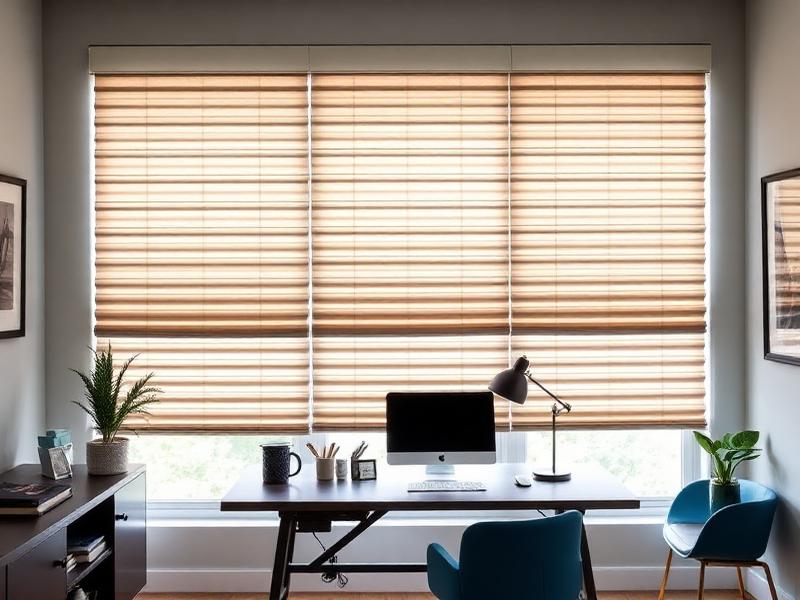
Top down, bottom up
Many pleated blinds can be made top down, bottom up. The blind can lower from the top, rise from the bottom, or sit in the middle of the window. Lowering it from the top lets light in at head height while the lower glass stays covered, which is ideal for bathrooms, bedrooms and ground-floor rooms facing the street.
Where pleated blinds fit best
These are the places we most often fit pleated blinds:
- uPVC tilt and turn windows, as a perfect fit blind that clips into the frame with no drilling.
- French doors and bifold doors, with one blind per pane that moves with the door.
- Conservatory side windows and roofs, on tensioned systems.
- Shaped windows, such as angled or triangular panes, where other blinds cannot follow the shape.
Fabric choices
Pleated fabrics range from sheers that soften the light, through translucent fabrics for daytime privacy, to dim-out and blackout options. Some fabrics have a reflective backing that helps with heat in summer. For the strongest insulation, the Luxaflex Duette range uses a honeycomb cell instead of a single pleat, and our page on Silhouette and Duette blinds explains it.
Lead time and guarantee
Standard pleated blinds are usually fitted within two to three weeks; specialist conservatory systems and Luxaflex products can take a little longer, and we confirm the timeline at the visit. Temporary blinds can cover the gap. Every blind carries the manufacturer's warranty plus our own fitting guarantee.
Pleated blinds on doors
On French doors and bifolds, a pleated blind fitted to each glazed pane moves with the door, so nothing flaps or catches when you open it. Fitted as perfect fit on uPVC doors, it clips into the frame without drilling. It is often the neatest solution for doors with little space above the frame for a roller.
Colour and pattern
Pleated fabrics come in plain colours, soft textures and printed designs. Lighter colours reflect heat in a sunny room; darker shades give more privacy in the evening. We bring a spread of samples so you can see how each looks with light passing through it.
Care
Most pleated fabrics can be dusted or vacuumed on a low setting with a brush head, and many can be spot cleaned.
Pleated or Duette?
A standard pleated blind is a single layer of folded fabric. A Luxaflex Duette looks similar from the front, but is made of honeycomb cells that trap air, so it insulates better and hides the pleat cords inside the cells. Pleated blinds are the lighter, simpler option for most windows; Duette is worth considering for cold rooms, roof windows and conservatories. We bring both to the free home visit so you can compare them against your own glass.
The short version
Pleated blinds go where other blinds cannot: shallow frames, glazed doors, shaped panes and conservatory roofs, stacking almost out of sight when raised.
Pleated blinds - your questions
Keep reading
Discover more of our made-to-measure window dressing services across East Kent.