
Buying guide
Wood or aluminium Venetian blinds: which suits your room?
Venetian blinds get lumped together as one product, but a 50mm basswood slat in a study and a 25mm aluminium slat in a shower room have almost nothing in common once you get past the shape. Slat width changes how much light leaks through when closed, and the material changes what the blind can survive.
This guide sets out where real wood earns its higher price, where faux wood quietly does the same job for less, and where aluminium is simply the only sensible answer. We measure and fit all three across Hythe and the surrounding East Kent villages, so this is written from what actually holds up on site rather than a brochure.
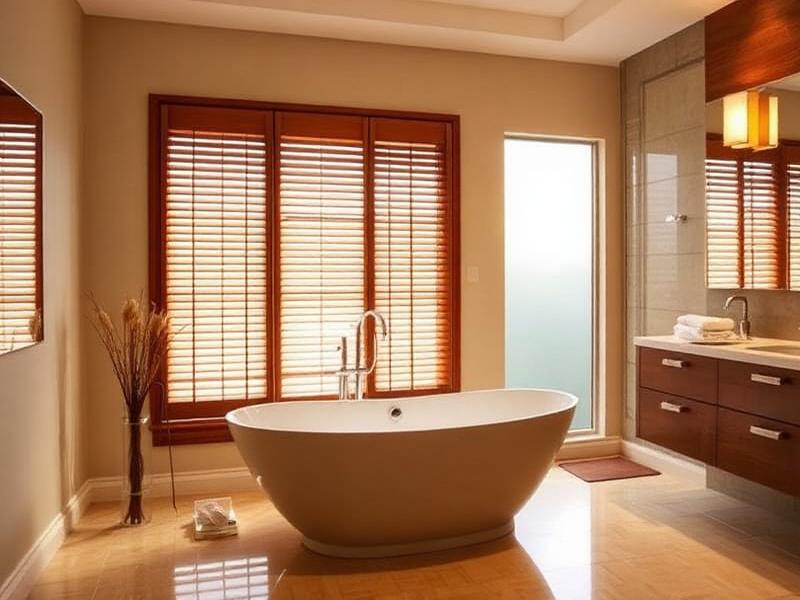
Slat width: 25mm, 35mm and 50mm
The narrower the slat, the more slats there are per metre, which gives a finer, more even tilt and suits smaller windows where you do not want a chunky mechanism dominating the frame. 25mm is the usual choice for a compact kitchen or bathroom window.
35mm sits in the middle and is the most requested width for standard bedroom and living room windows, giving a good balance of light control and a clean look when raised. 50mm slats show off a wood grain properly and give the strongest shadow gap when tilted, which suits larger windows and taller rooms where the blind is a feature rather than an afterthought.
It is worth thinking about the headrail and bottom rail too, since a wider slat needs a deeper headrail to stack into when fully raised. On a shallow window recess this can matter more than the slat width itself, and it is exactly the sort of detail that only shows up once someone measures the actual reveal rather than working from a room photo.
Where moisture rules out real wood
Real timber slats move with humidity. In a kitchen that steams up daily or a bathroom with a shower running, wood can cup or warp over time even with a good finish. That is not a flaw in the product, it is just timber behaving like timber.
Aluminium does not care about steam at all, which is why it remains the standard choice above a kitchen sink or in an en-suite. Faux wood, made from a moisture-resistant composite, gets you most of the way to the timber look with none of the warping risk, so it is our usual recommendation for a family bathroom that still wants a warmer finish than metal.
The failure pattern with real wood in the wrong room is fairly predictable: a slight cup develops first, the tilt cord starts to bind slightly against a slat edge, and within a year or two the blind no longer closes flat. None of that is a manufacturing fault, it is simply the wrong material for a wet room, which is why we will flag it before you order rather than after.
- Real wood: living rooms, studies, bedrooms, anywhere dry and heated normally.
- Faux wood: kitchens, bathrooms and conservatories where you still want a timber look.
- Aluminium: anywhere with sustained steam, splashing, or a need for a slim, cool finish.
Tilt control and how it wears
A cord tilt wand is the traditional control and remains reliable on both materials. Many households now prefer a child-safe wand-only mechanism with no cord loop at all, which we would recommend as standard wherever young children or pets use the room.
Aluminium slats hold their tilt angle slightly more precisely over years of use because the metal does not soften. Good quality wood and faux wood blinds are still built to last many years, but the tilt mechanism does more of the compensating work as the slats settle.
Ladder tape versus ladder cord is another quiet difference. Fabric ladder tape is more common on wider wood and faux wood slats because it spreads the weight evenly and hides behind the slat neatly, while a fine cord ladder is more usual on slim aluminium slats where a bulky tape would look out of proportion.
Colour and how it fits the room
Aluminium comes in a far wider colour range, including strong contemporary colours that timber cannot replicate, plus mirror and metallic finishes for a sharper, more modern look. Wood and faux wood are limited to a natural palette of stains, whites and painted finishes, which suits a more traditional or Scandinavian scheme.
In an open-plan kitchen-diner we often see one material used on both windows for consistency, even where one side is closer to the hob than the other. Faux wood usually bridges that gap well.
What actually goes wrong on site
The most common fitting problem is not the blind itself but an out-of-square reveal, which is more common in older Kent cottages than new-build frames. A recess-fit Venetian needs a genuinely square opening or the slats will not sit flush at both ends, so we always check this on the home visit rather than assume the reveal is true.
The second common issue is undersizing the headrail depth against how many slats need to stack, which leaves a slightly proud rail rather than one that sits flush in the recess. Getting the stack height right on 50mm wood slats in a tall window is a measuring detail that pays for itself later.
The short version
If moisture is a factor, let it decide the material first and the slat width second; get that order right and the blind will still be closing flush in ten years' time.
Buying guide - your questions
Related reading
Discover more of our made-to-measure window dressing services across East Kent.
Kitchen blinds
Materials that cope with steam and splashes.
Learn moreBathroom blinds in Kent
Moisture-proof options explained.
Learn moreRoller blinds guide
The other everyday workhorse blind.
Learn moreLuxaflex explained
Where premium Venetian ranges sit.
Learn moreVertical vs Venetian blinds
Wide doors or fine light control.
Learn more